1915
Built for the movies
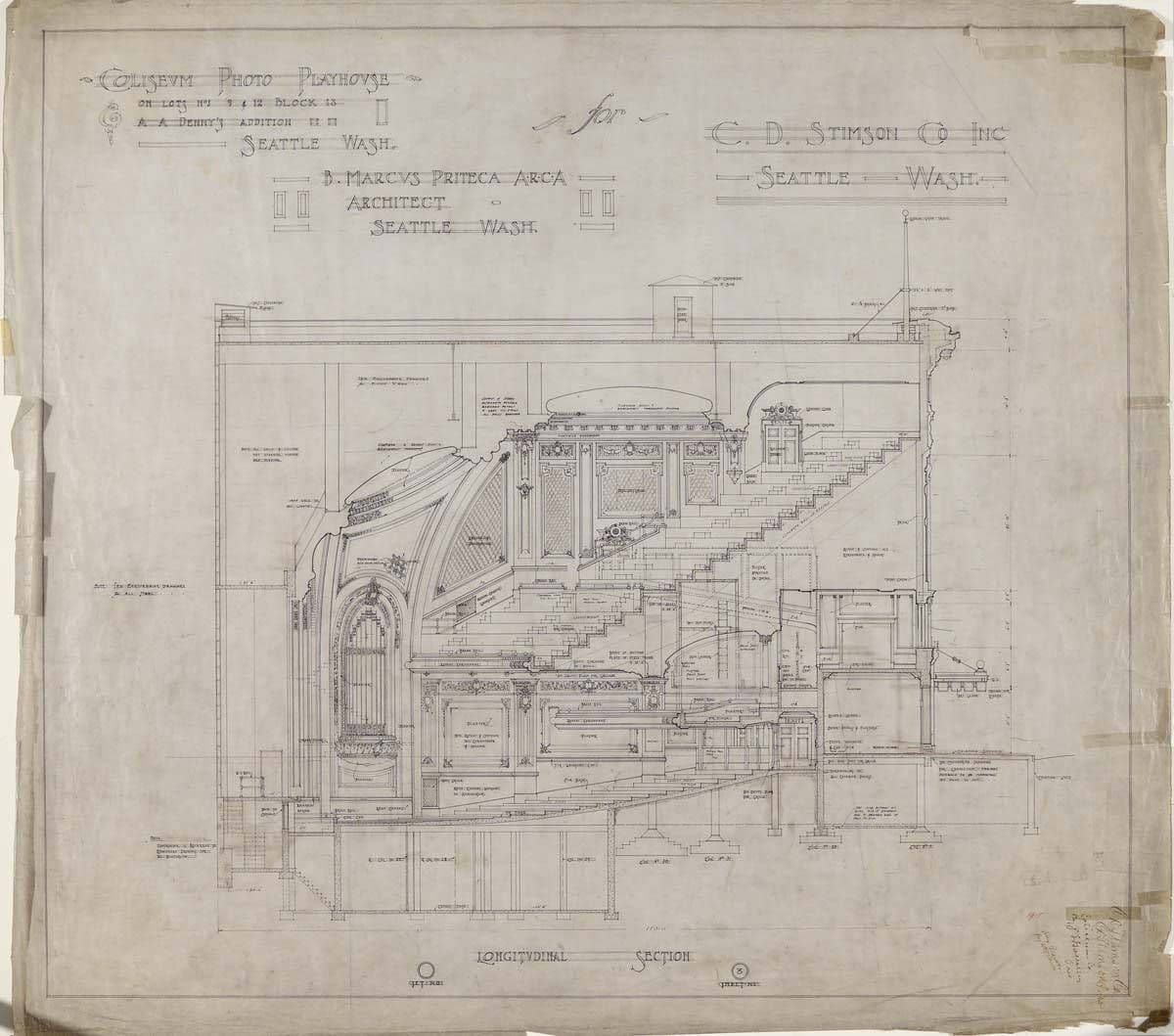
In March 1915 the lumberman C. D. Stimson leased the northeast corner of Fifth and Pike to a new Coliseum Company, which set out to build a theater made only for the movies. Films were still called photoplays, and Seattle had never had a theater built just to show them.
Joseph Gottstein, a young developer, hired his friend B. Marcus Priteca, a Scottish-born Seattle architect in his mid-twenties who was already designing theaters for the vaudeville owner Alexander Pantages. Priteca drew a Renaissance palazzo faced in glazed white terra cotta. He went on to design Seattle’s Orpheum and Admiral theaters and the Hollywood Pantages.
The Coliseum was built by the Gottstein interests with the Greater Theatres Company of Claude Jensen and John von Herberg, who ran it in its first years.
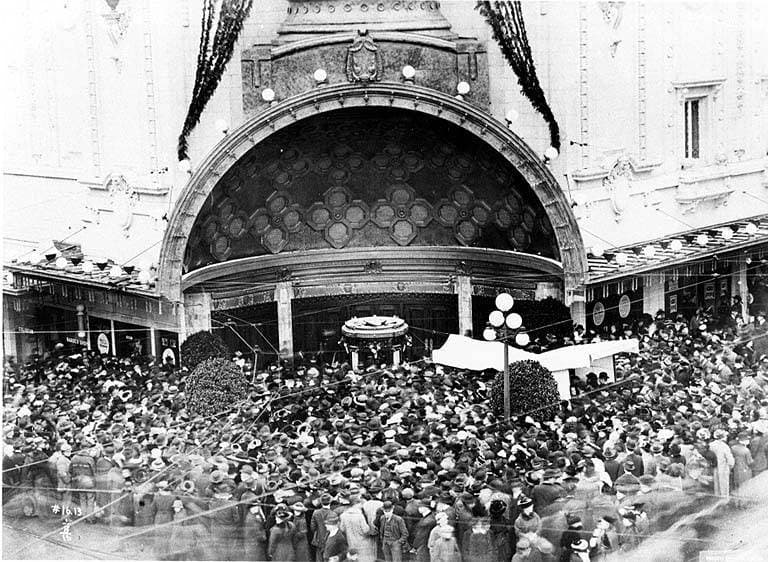
January 8, 1916
Opening day
The Coliseum opened on Saturday, January 8, 1916, advertised as “the world’s largest and finest photoplay palace.” Thousands came on the first day, some waiting hours in a cold drizzle. A seat cost 15 cents, or 30 and 50 cents in the loge boxes.
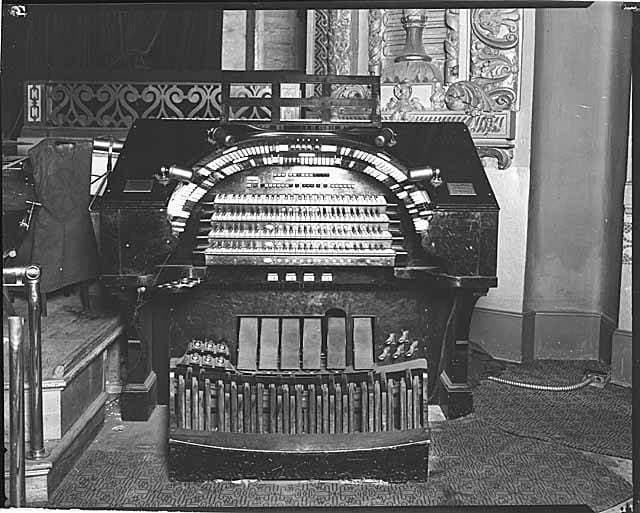
The first feature was Cecil B. DeMille’s The Cheat. Silent films played to an orchestra of Russian musicians, said to be the best paid in the country, and a giant pipe organ. Songbirds in wicker cages hung through the hall, and on opening day they burst into song at the start of every number. The Hollywood actress Anita King dedicated the house, and a 236-pound fruitcake waited in the lobby.
1916 to the 1930s
A palace of light
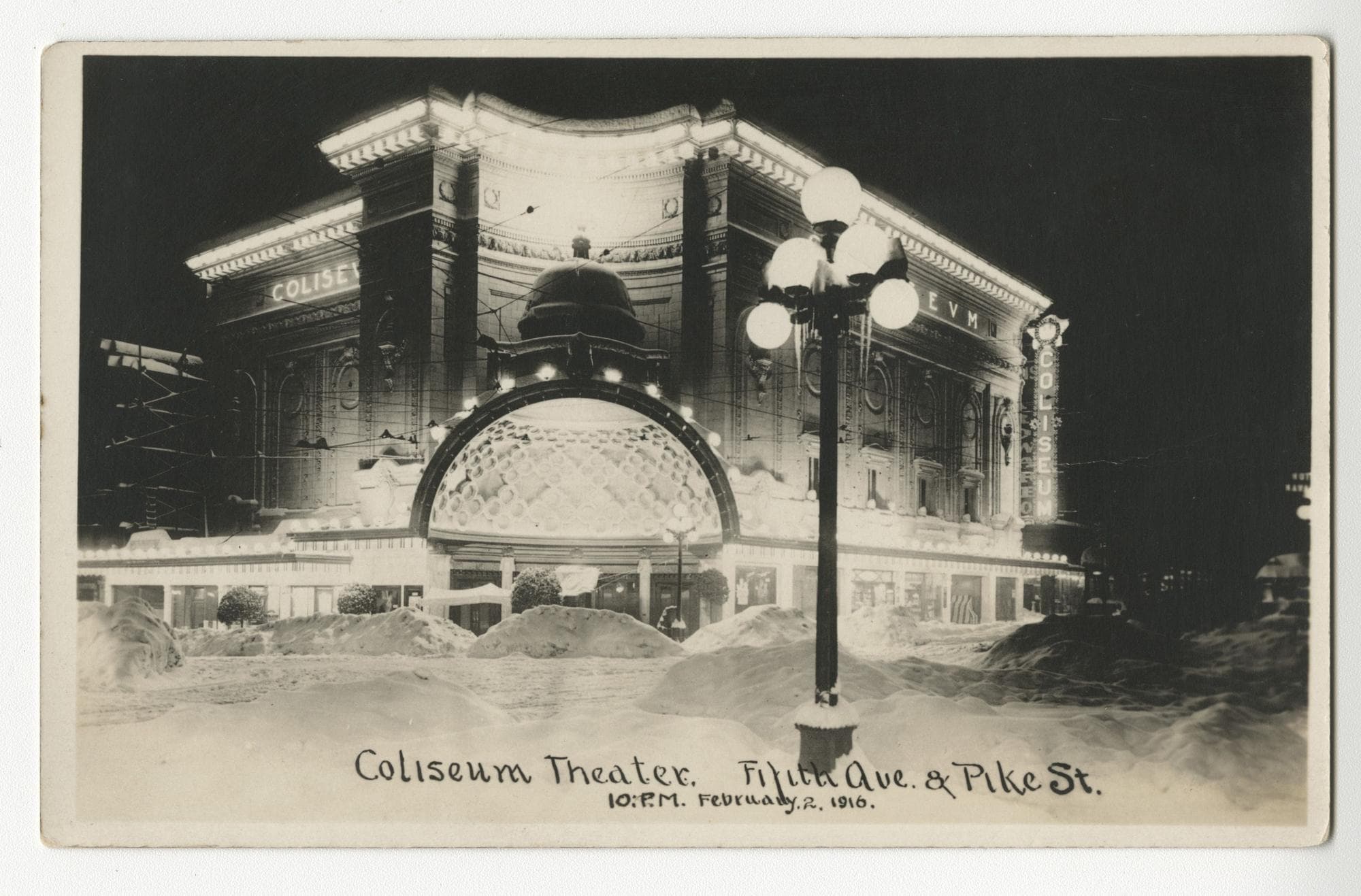
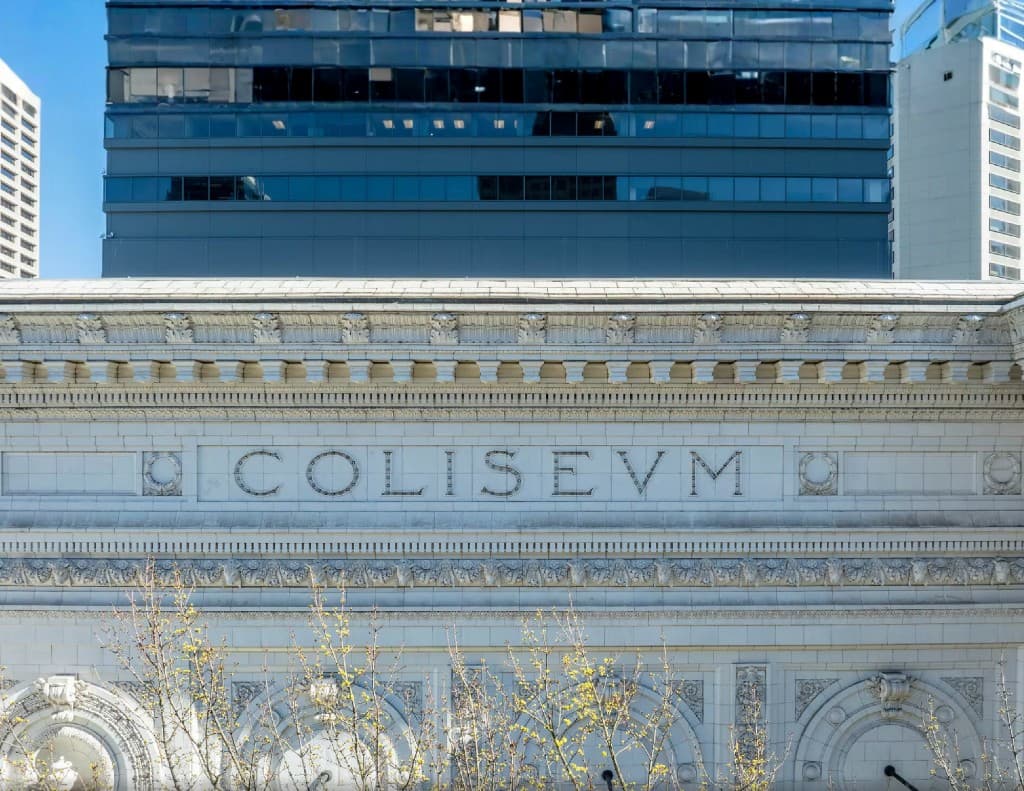
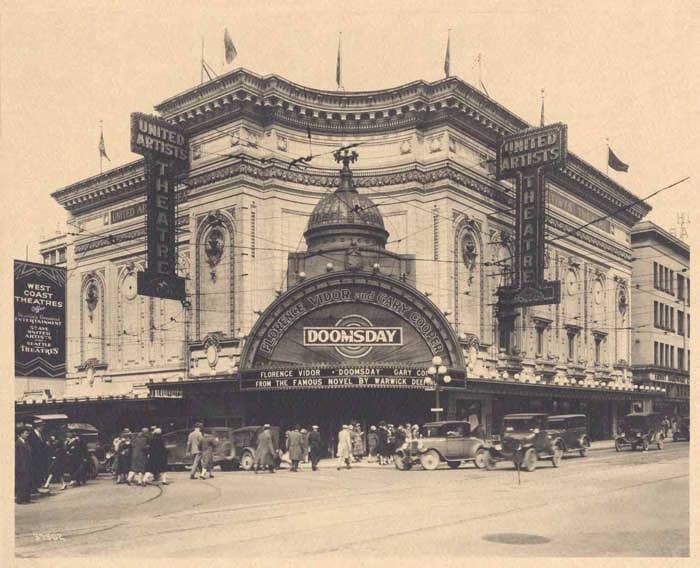
The frieze spells the theater’s name in Roman letters, with a V for the U: COLISEVM. At night in the early years, hundreds of electric bulbs lit the name and the whole cornice, and the light glanced off the glazed terra cotta. By the 1970s the bulbs had long burned out.
For decades this was Seattle’s premier movie house. By 1928 it was also known as the United Artists Theatre. In 1931 an architecture journal called it “the first of the world’s movie palaces.”

1916 to 1990
Seventy-four years of movies
The Coliseum was remodeled after the 1949 earthquake and kept showing first-run films into the late 1970s. By the 1980s a single big screen downtown was losing out to suburban multiplexes.
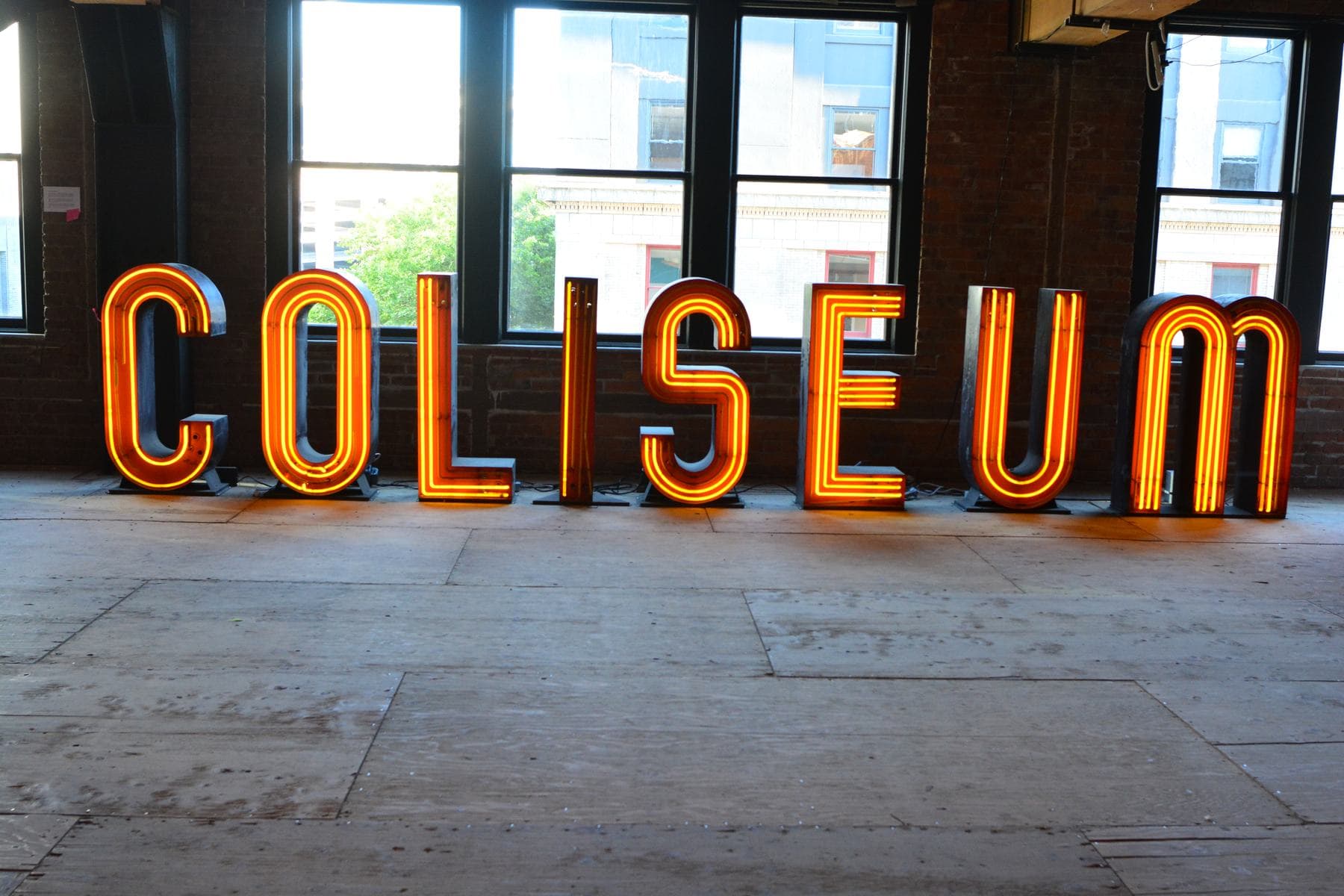
The last picture, Tremors, played on March 11, 1990. The letters of the 1950s sign came down soon after; years later they turned up in the basement.
1975 to 2020
A landmark, then a store
The Coliseum was listed on the National Register of Historic Places on July 7, 1975, and Seattle made it a city landmark in January 1978. The landmark rules protected the outside, not the inside.
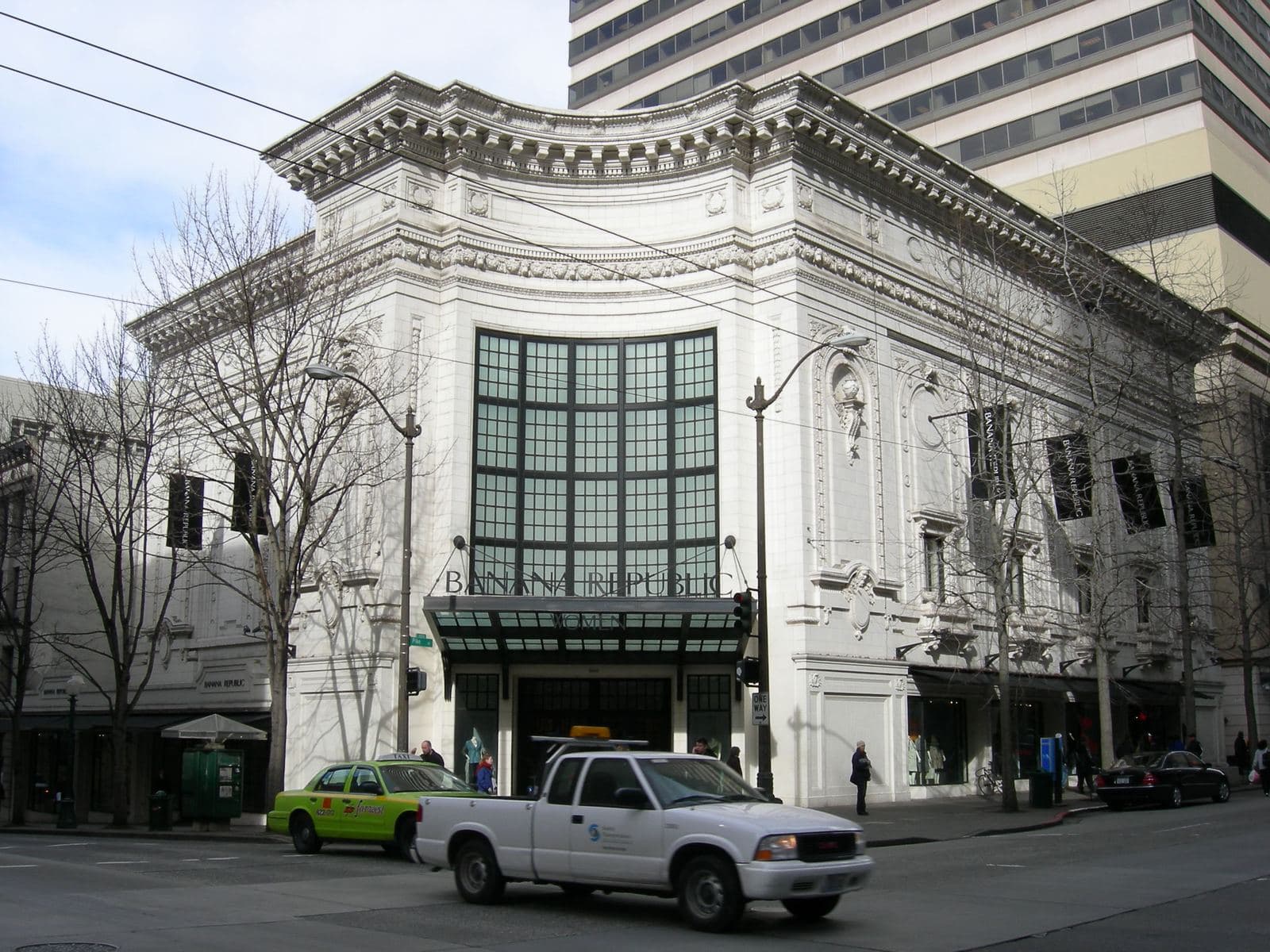
In 1994 Banana Republic spent about $5 million turning the theater into a flagship store, which opened on November 14. The terra cotta was restored and new ceilings went in, with parts of the old balcony and vaulted ceiling left above them. The store closed in 2020.
2024 to today
Art comes in
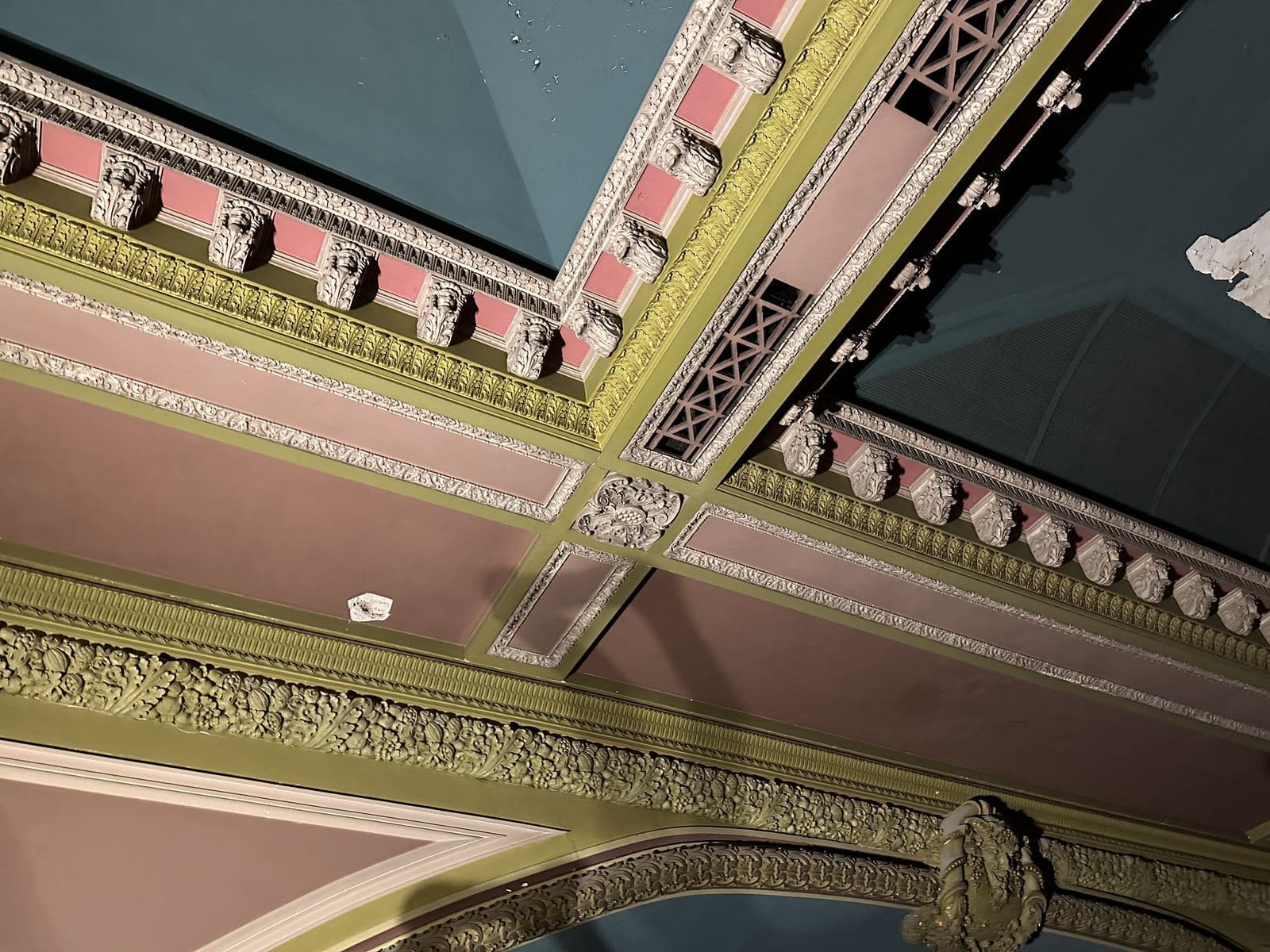
When the building came up for sale, Andrew Conru went inside. Above the store’s ceiling he found Priteca’s room still there: the balcony, domes and arches, and plaster in its 1916 colors. He bought the building in July 2024 and gives the Conru Art Foundation its use rent-free.
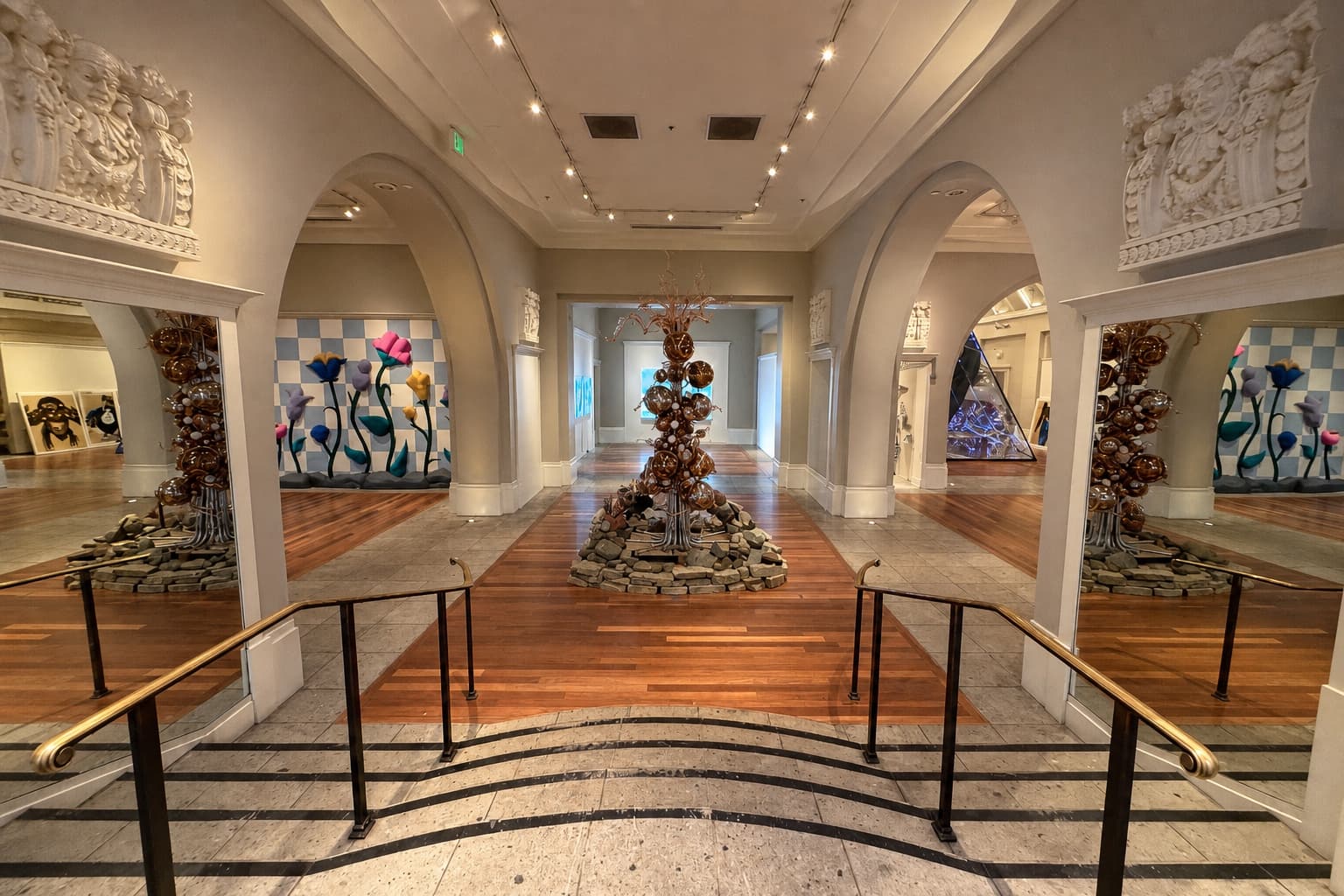
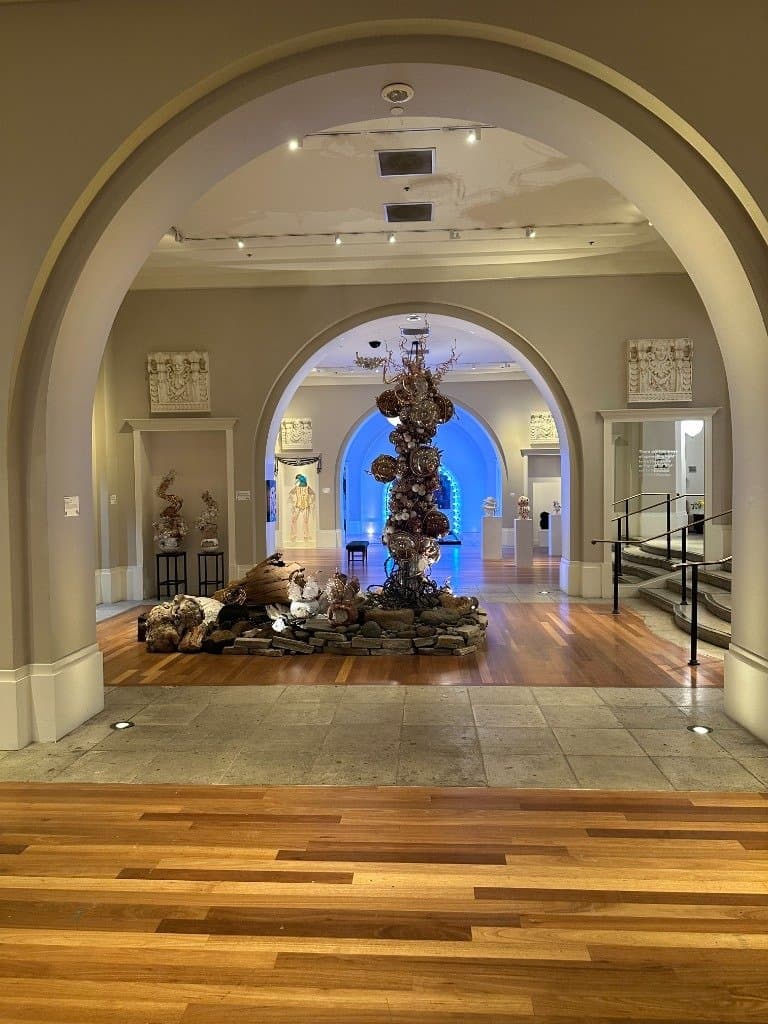
In 2026 the Foundation opened the Coliseum to everyone, free, as the Coliseum of Art. Its first show, Summer of Awe, ran from June 26 to September 28 and filled the galleries with light, glass and installations by local artists, with tours up to the balcony that had been sealed for thirty years.
“It felt like uncovering a lost tomb. This beautiful piece of Seattle’s history needs to be shared with the public again.”